
Friday Morning Brief Dec. 19, 2025

Member Spotlight
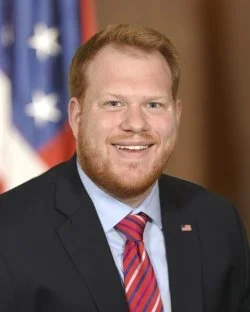
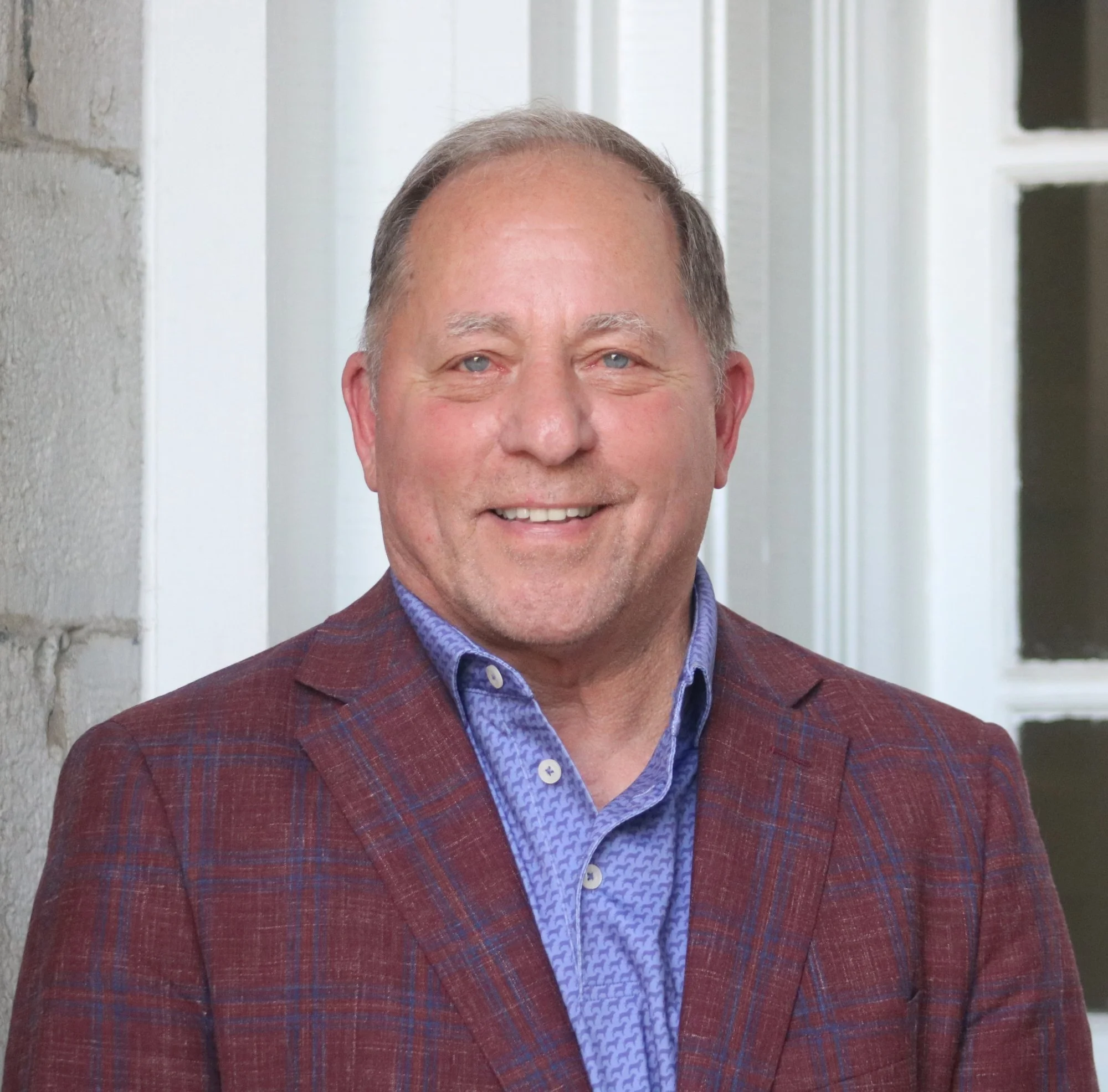
Assemblyman Josh Jensen
This week, Assemblyman Josh Jensen joins us to discuss his district, priorities, and some of the issues he has been working on in the Assembly. Before being elected to the Assembly, he served his community in various ways, including on the Town of Greece Town Board, where he advocated for lower taxes, public safety, and improved service delivery. Currently, he is a member of various Assembly committees, including on Rules, Health, and Insurance.
What district do you represent?
I represent the 134th Assembly District, which includes the towns of Greece, Ogden, and Parma, and the villages of Hilton and Spencerport.
What are some of the landmarks in your district?
Rochester and Monroe County — and the Finger Lakes region — have many tremendous landmarks. In my district, they’re a little bit more off the beaten path. In the 134th, we have about 12 miles of Lake Ontario shoreline, which I think is some of the most beautiful waterfront in the world. I’m a bit of a homer in that sense.
We also have Braddock Bay Park, which is along Lake Ontario. It’s a major raptor and migratory hotspot and a great place to see birds of prey and other rare animals. In the Village of Spencerport, there’s the Spencerport Depot & Canal Museum on the Erie Canal. It’s an almost 120-year-old trolley depot with historical artifacts from both the canal and the trolley era.
In Hilton, I believe that we may have the smallest Main Street in the state, if not the country: a 275-foot Main Street that connects East and West Avenues. And the Greece Public Library, while not traditionally considered a “landmark,” is probably one of the best libraries for the whole family in the entire state.
Any favorite New York sports teams?
Buffalo Bills and Buffalo Sabres. My blood pressure is definitely elevated because of both of those clubs. I’m a big Sabres and Bills fan. I’m also a fan of Everton Football Club in the English Premier League.
What about music? Favorite artists or bands?
I’m a pretty eclectic music listener and it really depends on my mood. Right now my favorite artist is Dermot Kennedy. I also like Passenger, Ben Howard, and Van Morrison. Sometimes I’ll get inspired by grime and listen to Stormzy, the UK rapper. And as the parent of seven-year-old twins, I have every K-pop–inspired “Demon Hunters” song stuck in my head. I sing “Golden” way too much in all environments.
What was your profession before being elected to the Assembly?
Before being elected to state office, I served for three years as the Third Ward councilman in the Town of Greece. Professionally, I worked in various capacities for State Senator Joe Robach in his district office here in Greece. I was also the director of communications for one of the largest nursing homes in upstate New York and later worked as a public relations specialist for a local PR firm.
How did those experiences shape the way you work in the Assembly?
Almost a decade in various roles with Senator Robach gave me a strong foundation in understanding the nuanced issues facing New Yorkers and the community I now represent. When you’re dealing with roughly 15,000 bills introduced over a two-year cycle, that experience helps you pick up the intricacies of legislation and be prepared to talk about them—whether with constituents, stakeholders, lobbyists, or on the floor during debate.
My communication background has also been essential. Any elected official has to be able to communicate effectively — not just with colleagues, but with constituents. That’s how you build relationships, encourage civic engagement, and keep people informed. My prior roles helped me become a better communicator. Maybe not always the quickest to the point, but someone who can convey a message and take in feedback, whether it’s supportive or in opposition.
What inspired you to go into politics in the first place?
I joke that I wasn’t inspired to go into politics but I was inspired to go into public service. I’m a politician who could do without the politics. I come from a family of volunteer firefighters, so from an early age I was taught that every day you should do something to help someone else.
Running into burning buildings wasn’t going to be my path, but my dad and grandparents taught me that everything we do is for “Mrs. Smith.” Whether she calls 911 or an elected official’s office, she might be having the worst day of her life. Whatever she’s calling about is the most important thing to her at that moment. I take that responsibility very seriously. When someone calls, I want to make sure I—and my staff—give them our full attention and do everything we can to help them get a positive outcome.
That spirit of volunteerism is what inspired me to get into public service, and it continues to motivate me every day.
Now that you’re in the Assembly, what are some local issues you’re working on?
I hear about two issues more than anything else: affordability and public safety.
People are frustrated with the cost of living. Whether they’re buying groceries at Wegmans or filling up their tank, they feel the squeeze. My district office is between a Subway and a local pizza shop, so I hear from business owners and customers all the time. Folks remember when a foot-long was $5. That change over a decade reflects how much harder it is to afford being a New Yorker. We need to focus on keeping people here and giving them a more sustainable economic future.
Public safety is also a major concern in my district. Even if statistics show violent crime trending downward, if people don’t feel safe, they’re not safe. That perception keeps people inside their neighborhoods and away from enjoying our region. So affordability and public safety remain top priorities, and I’m working with colleagues on solutions that move us closer to the end zone.
What statewide issues are you focused on?
As the ranking member of the Assembly Health Committee, health policy takes up a large amount of my time. With the passage of the reconciliation bill earlier this year, we’re going to have to confront the future of Medicaid in New York.
We need bipartisan collaboration to ensure our Medicaid system is as efficient and effective as possible. New York has one of the largest Medicaid budgets in the country, and also one of the most generous. It’s a critical safety net. But when we aren’t reimbursing the full cost of care, people still face limited provider options. We must ensure the system can survive and thrive—and that people in every part of the state can get the care they need, when and how they need it.
On affordability, public safety, and healthcare, what steps do you think the state should the state take?
With a $254 billion state budget, we’re dealing with a huge amount of money. But services cost money, and when New Yorkers want certain services, we need a responsible way to pay for them.
On affordability, I’d like to see a real forensic audit of the budget and a cost-benefit analysis of how taxpayer money is being spent. We should ensure we’re not duplicating services when we could instead strengthen existing programs that already show positive results. One downside of our closed budget process is that not enough outside perspectives are brought in. More voices and more stakeholders at the table would help us make more efficient, more effective budget decisions that reflect the best interests of all 20-plus million New Yorkers.
What advice would you give young people who want to get involved in politics?
If you want to get involved — get involved. Find someone who inspires you, regardless of political affiliation, and offer to help. Ring doorbells, volunteer in an office, intern if you’re in high school or college. Learn the constituent-service side of the work. At the end of the day, you can go to Albany and attend all the press conferences you want, but if you’re not listening to the people you represent, you won’t last long in office.
Also, learn as much as you can about as much as you can. Becoming a subject-matter expert in a particular area makes you incredibly valuable. My experience working in a nursing home, for example, uniquely prepared me for serving on—and eventually becoming ranking member of—the Health Committee. I might be the only legislator who has ever worked as a nursing home employee, and that gives me a nuanced understanding of how our laws impact that sector. The more you know, the more prepared you are when an issue arises.
Any final comments?
Go Bills.
Are you a public official or staffer that would like to be featured in our spotlight? If so, reach out to your favorite D&A team member or contact us at team@dickinsonavella.com to set up an interview!
Susan Watts/Office of Governor Kathy Hochul
Hochul to Act on Majority of Bills by Today
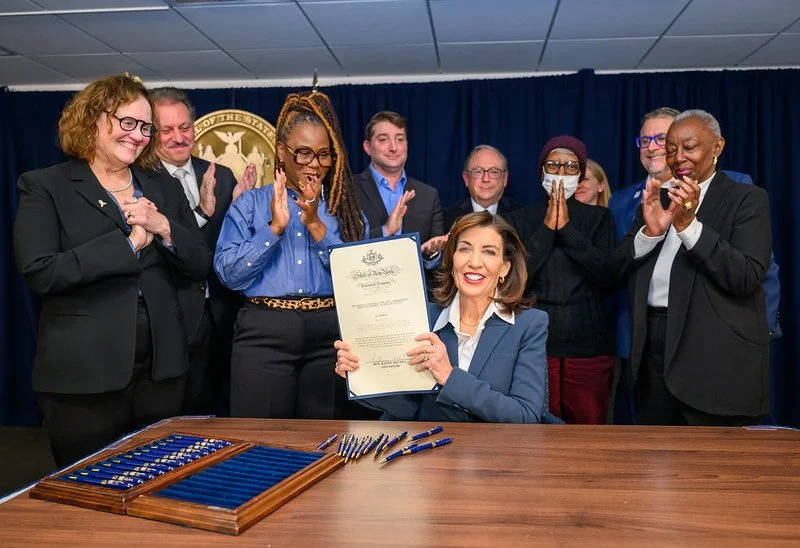
By the end of today, Hochul is expected to act on 122 bills currently on her desk, including various high-profile bills such as the RAISE Act and the prison reform omnibus bill. Notably, one high-profile bill that hasn’t been delivered to the Governor but has been successfully negotiated upon is the Medical Aid in Dying Act.
After weeks of negotiations, Hochul released an op-ed and announced on Wednesday that she would sign the Medical Aid in Dying Act, which would allow terminally ill individuals to end their lives medically. Hochul, who is Catholic, explained that it is one of the most difficult decisions as a Governor but argued that the bill would “afford terminally ill New Yorkers the right to spend their final days not under sterile hospital lights but with sunlight streaming through their bedroom window.” Hochul also explained that she has successfully negotiated with lawmakers on additional guardrails to protect individuals from pressure.
One notable bill currently on her desk is the RAISE Act, which has been reported to be in an apparent stalemate. The RAISE Act would impose safety regulations and restrictions on frontier AI models and has been advocated by lawmakers and advocates as necessary to ensure that future AI models would not pose a threat. However, the bill’s opponents argue that the bill would hamper future AI innovation. Hochul is reportedly trying to negotiate with lawmakers to move the bill closer to California’s law that was recently enacted; however has been rebuked by the bill’s sponsors, Assemblymember Alex Broes and Senator Andrew Gounardes.
Another notable bill is the prison reform omnibus bill that the Legislature passed amidst the backlash against the fatal beating of Robert Brooks at Marcy Correctional and the weeks-long strike by correctional officers. The bill was the result of a two-way agreement between the Assembly and the Senate and includes measures such as increasing oversight of state correctional facilities. While Hochul has not discussed any negotiations over the bill, advocates have been urging her to sign it.
Several high-profile bills have recently been vetoed, including the Grieving Families Act, which has been vetoed for the fourth year in a row. Other recently vetoed bills include improving the FOIL process, insurance coverage mandate for contraceptives, and limiting the NYC mayor’s authority over ballot measures.
Susan Watts/Office of Governor Kathy Hochul
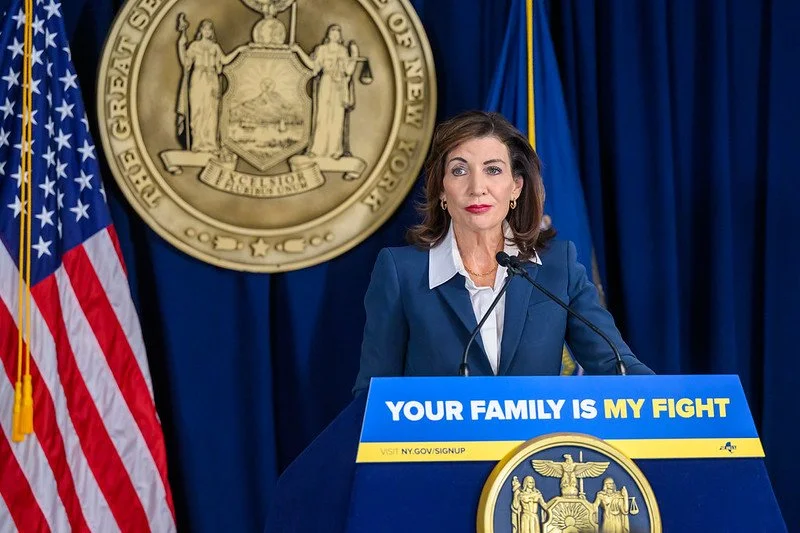
EXECUTIVE UPDATES
On Wednesday, Hochul announced more than $12 million in grants for 11 projects for new community environmental education centers. The recent disbursement of the Community Environmental Education Center grant program would fund the construction of 11 new educational centers statewide and focus on informing communities about environmental challenges and opportunities. Funded and administered through the DEC’s Office of Environmental Justice, the grant program supports the state’s commitment to addressing environmental justice. “This new funding will directly support local efforts to create or expand environmental education centers that engage New Yorkers on local programs to improve quality of life, enhance air quality, and help build a cleaner, greener future,” explained Hochul.
Earlier this week, Hochul touted the advancement of $1.75 billion for MTA projects funded by Congestion Pricing. The projects include accessibility upgrades for five stations and signal modernization along the A and C train lines in Brooklyn and Queens. When the project is completed, it is expected that over 600,000 daily riders will experience reliability on the A and C trains, while ensuring essential accessibility requirements are met. Currently, there are 54 total accessible MTA stations. The upgrades support Hochul’s commitment to improving MTA infrastructure with Congestion Pricing funding. “Nearly one year in, congestion pricing has already sped up traffic and cleaned our air, and now it is supporting generational upgrades to our subway system,” explained Hochul.
On Tuesday, Hochul announced the disbursement of $10 million to fund 35 commercial and mixed-use projects in Buffalo’s East Side. First announced in May as a collaboration with the Empire State Development (ESD), the funding is expected to support the revitalization of commercial corridors across the East Side and the construction of new affordable housing units. The disbursement supports the state’s commitment to supporting the local economy and revitalization. “The East Side Building Fund awards represent the strategic deployment of resources our administration committed to better serve the needs of the community,” explained Hochul.
This week, Hochul announced an international partnership between the Albany NanoTech Complex and SCREEN, a Japanese semiconductor equipment manufacturer. Under the agreement, SCREEN would utilize Albany NanoTech’s new NanoFab Reflection building and invest more than $75 million. The agreement is expected to build upon Hochul’s support for promoting advanced technology manufacturing and infrastructure in the state. “With SCREEN’s investment in NY Creates and the Capital Region, our high-tech ecosystem continues to expand and drive the nation’s resurgence in advanced manufacturing,” explained Hochul.
Late last week, Hochul announced the disbursement of more than $300 million to upgrade information and cybersecurity in hospitals across the state. Provided through the Statewide Health Care Facility Transformation Program IV and V, the funding will expand hospitals’ digital and cybersecurity infrastructure, as well as telehealth infrastructure. In addition to supporting the state’s effort to modernize its hospitals, including the expansion of telehealth services, the funding also builds on the state’s ongoing efforts to improve critical infrastructure and protect systems against cyber threats. “By modernizing our hospitals' IT infrastructure and protecting patients' information, we’re strengthening the foundation of health care in New York State,” said Hochul.
Last week, Hochul announced the approval of more than $269 million in funding for water and sewer infrastructure improvement projects. The funding, made up of low-cost financing and state and federal grants, will allow more than two dozen local municipalities to undertake water infrastructure projects without increasing rates or burdening taxpayers. The funding is part of the $535 million statewide commitment to upgrade local water infrastructure without passing the costs to residents. With the recent investment, more than $6 billion has been allocated for water infrastructure projects and initiatives since 2017.

LEGISLATIVE UPDATES
There are currently 122 bills awaiting action by Hochul
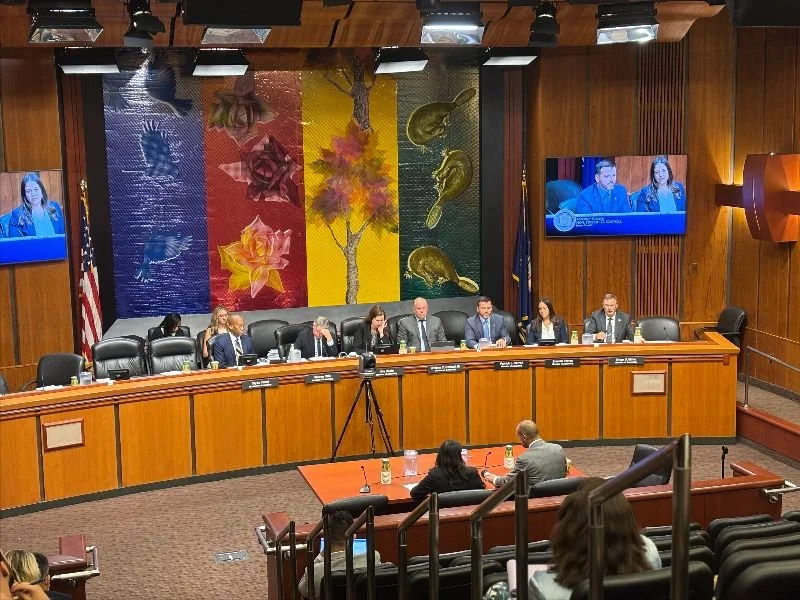
Aung Hset/D&A
Assembly Hearings on AI
This week, the Assembly held two public hearings on AI, with Monday’s hearingfocusing on the impacts of AI in underwriting and pricing insurance policies, and Tuesday's on the impacts of AI on the state’s workforce. On Monday’s hearing, lawmakers heard testimonies on the positive benefits of AI in the insurance industry, including improving efficiencies and identifying fraud, as well as from critics who explained that the use of AI may lead to biased discrimination. At Tuesday’s hearing, some panelists explained that while the increased use of AI may lead to greater productivity and new opportunities, it may also lead to job displacements and changing skill requirements. In both hearings, lawmakers reiterated their intention to explore new safeguards on the use of AI. The issue of regulating AI and other advanced technologies is poised to be a major point of contention when the legislative session starts in January.
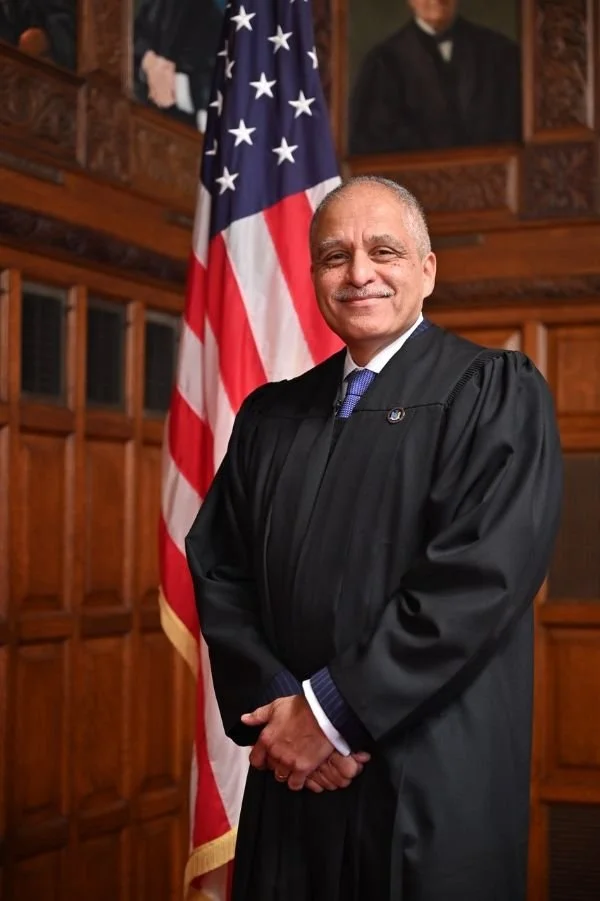
Chief Judge Urges Legislature to Pass Second Look Act
At a public symposium in Yonkers, the state’s Chief Judge Rowan Wilson joined lawmakers, attorneys, advocates, and formerly incarcerated individuals to call for the Legislature to pass the Second Look Act. First introduced in 2021, the bill would create a process for incarcerated persons sentenced to 10 or more years in prison to request a resentencing hearing. In support, Wilson explained that new factors, including changes in incarcerated people while serving their sentences, should be considered. The issue of criminal justice reform is poised to be one of the most contentious during next year’s legislative session and election cycle, with some lawmakers and officials, including NYC NYPD Commissioner Jessica Tisch, seeking to change the state’s Raise the Age law. At the same time, over 200 organizations have created the Protect Raise the Age coalition. Elise Stefanik, who is seeking the GOP nomination to challenge Hochul, has also repeatedly criticized Hochul on public safety.
Senate Republican Lawmakers Convene a Affordability Roundtable on Long Island
Before the start of the new legislative session in January, Senate Republican lawmakers convened an affordability roundtable on Long Island. The affordability roundtable on Long Island is the latest in a series of roundtables held by Senate Republican lawmakers to focus on the state’s affordability crisis, following one in the Hudson Valley last month. During the roundtable, lawmakers and residents pointed to high child care and energy costs as contributing to the affordability crisis. “Hardworking New Yorkers are being crushed by skyrocketing costs in every area of their lives: housing, energy, insurance, taxes - all the result of failed policies given to us from failed one-party rule in Albany,” explained Senator Steve Rhoads. Senate Republicans explained that they will focus on introducing legislation that would address the affordability crisis during next year's legislative session.
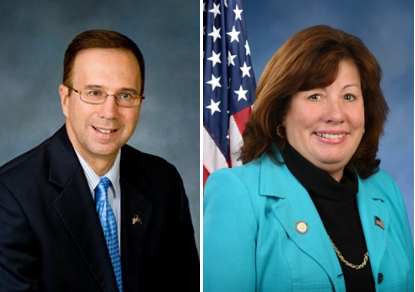
Mohawk Valley Lawmakers to Address Healthcare Worker Shortage in 2026
This week, Republican Senator Joe Griffo and Democrat Assemblymember Marianne Buttenschon announced a legislative package to address the shortage of healthcare workers in Upstate New York. The announcement comes after the state Comptroller released a report outlining the shortage of healthcare workers in 16 rural Upstate counties. The legislative package will include expanding the Doctors Across New York program and the START-UP NY program, extending a partial tax credit for the purchase of a primary residence, and establishing a scholarship program for medical students. “If we can put pieces of legislation together into a package, we can address the issue,” explained Griffo.
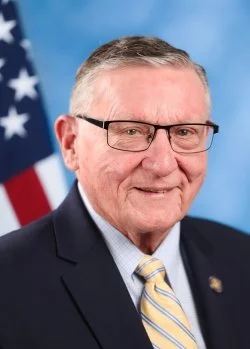
GOP Assemblymember Ken Blankenbush to Retire After 2026
Yesterday, North Country-based Assemblymember Ken Blankenbush announced that he will not run for reelection after serving in the Assembly for 16 years. Before being elected to the Assembly in 2010, Blankenbush served as chair of the Jefferson County Board of Legislators, a LeRay town councilmember, and worked in the insurance industry. At his retirement announcement, Blankenbush endorsed his Chief of Staff, Tammy Nabywanicc, to succeed him. Bob Walters, a former executive director of the Oneida Housing Authority, is also interested in running for the seat.
Onondaga County Legislator Announces Campaign to Succeed Assemblymember John Lemondes
With GOP Assemblymember John Lemondes running for Congress to challenge John Mannion, Onondaga County Legislator David Knapp announced his intention to succeed Lemondes. Knapp, a former Army Captain, explained that he is running to challenge the Democrats’ “one-party rule” in the state government. “Governor Hochul and one-party rule in Albany have driven up costs, weakened public safety, and overreached with policies that hurt communities like ours,” said Knapp. Knapp explained that he will use his experience as a long-time Onondaga County Legislator to fight for affordability, public safety, and local control.
Republican James Corl Announces Campaign to Challenge Senator Chris Ryan
Last week, James Corl announced that he will seek the Republican nomination to challenge Senator Chris Ryan for the Central New York-based Senate seat. Corl, who works for Senator Mark Walczyk, explained that he will resign from his position to focus on his campaign. “I was born and raised in Cicero, and I’ve seen firsthand how Albany does not make Central New York more affordable,” explained Corl for his reasoning to run. Ryan’s seat has been considered one of the most competitive Senate districts in previous elections, with Ryan winning by about 1,400 votes last year and Democrat John Mannion winning the 2022 election by 10 votes.
Onondaga County Legislator Eyeing Primary Challenge Against AM Magnarelli
In another Central New York-based district, Onondaga County Legislator Maurice Brown said he is considering a possible primary challenge against Assemblymember Bill Magnarelli. While Brown has already filed paperwork to run, he explained that he will only officially challenge Magnarelli if he wins the WFP endorsement and raises enough money. “I’m just getting a sense of what I’m getting into,” explained Brown. Brown also explained that he does not have any disagreements with Magnarelli on any issues, but would be more outspoken on important issues. “It’s just a style difference,” explained Brown. Magnarelli has been serving in the Assembly since 1999 and said he intends to run for reelection.
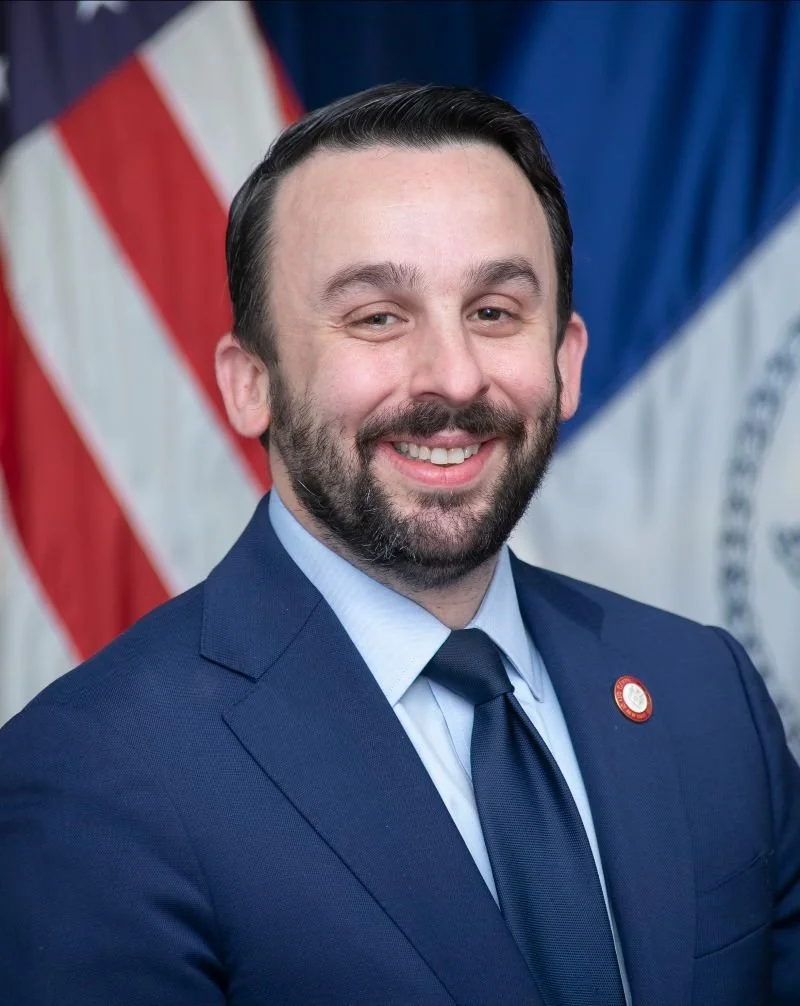
Keith Powers Likely to Succeed Harvey Epstein in the Assembly
With Harvey Epstein vacating his Manhattan-based Assembly seat early to join the NYC Council, Hochul announced a special election on February 3rd to succeed him. Currently, term-limited Councilmember Keith Powers, who Epstein endorsed, was nominated by the Manhattan Democratic Committee. As the likely winner of the upcoming special election, Powers will carry out the remainder of the 2026 term but must win the Democratic primary in June to continue serving in the Assembly, with several individuals already voicing interest in running. “I am ready for it… And I’m ready to be your next Assembly member,” said Powers.
OTHER UPDATES
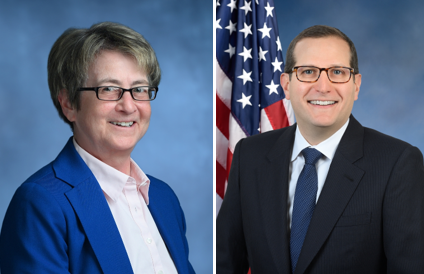
AM Glick Endorses AM Lasher to Succeed Congressmember Jerry Nadler
Amidst the crowded primary for the Democratic nomination to succeed Manhattan-based Congressmember Jerry Nadler, outgoing Assemblymember Deborah Glick announced her endorsement of Assemblymember Micah Lasher. “Micah Lasher is exactly the kind of leader the Democratic Party needs in Washington right now,” said Glick. In addition to Glick, Lasher has also been endorsed by outgoing Senator and Manhattan Borough President-elect Brad Hoylman-Sigal. Aside from Lasher, who is considered by many to be a frontrunner in the primary, Assemblymember Alex Bores and NYC Councilmember Erik Bottcher are also in the race alongside several other names.
Hochul Appoints Kathryn Garcia as New Head of Port Authority
Last week, Hochul appointed Kathryn Garcia, the current Director of State Operations, as the next Executive Director of the Port Authority of New York and New Jersey. Jackie Bray, the current commissioner of the state’s Division of Homeland Security and Emergency Services, will succeed Garcia in January. Garcia’s appointment comes as the Port Authority is currently implementing a $45 billion decade-long capital plan. Garcia will be succeeding Rick Cotton, who announced his retirement earlier this month. “Kathryn helped us launch and advance generational infrastructure projects and rebuild our economy following the pandemic with an eye toward the future. I am thankful she will continue serving the people of New York as Executive Director of the Port Authority,” Hochul said in a statement.
State Approves New 15-Year Energy Plan
On Tuesday, the state Energy Planning Board unanimously approved a 15-year energy plan that would establish recommendations on energy-related planning through 2040. The recommendations come after the Board assessed the state’s current energy system and concluded that it is based on the state’s goals for “affordable, abundant, reliable, and clean energy while supporting economic development, equity, and a healthy environment.” In addition to supporting renewable and nuclear energy sources, the recommendations include continuing to use fossil fuels. “We’ve concluded that we will need to continue to rely on the fossil fuel assets that we have in place in our state through that planning period,” explained Hochul. Hochul and the Board explained that fossil fuels are needed to mitigate rising energy costs. “We’ve concluded via our planning that [CLCPA] goals are going to be delayed in their achievement, but it doesn’t mean that we aren’t solving for an ambitious set of energy policies,” explained Doreen Harris, the president of NYSERDA.
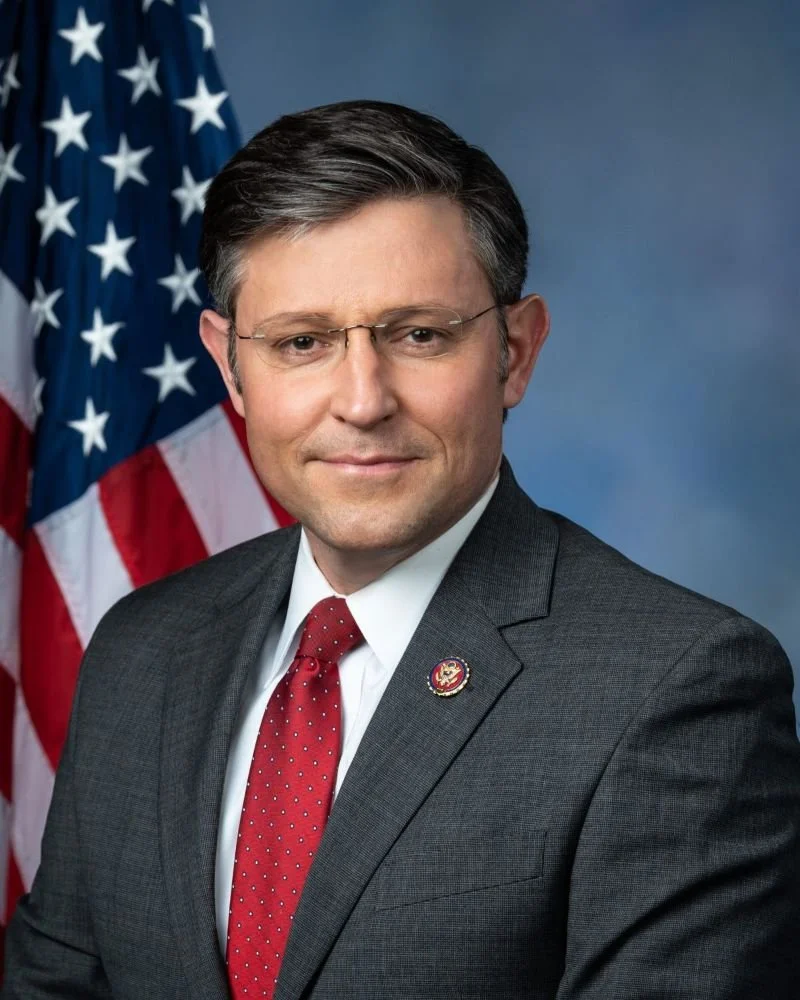
House Passes Healthcare Bill Without ACA Extension
This week, the House passed a GOP-led healthcare bill after weeks of advocacy by Democratic and a group of Republican lawmakers, including Hudson Valley-based Mike Lawler, to extend the Affordable Care Act health insurance subsidies. However, the bill passed Wednesday night would not extend the subsidies, which are set to expire by the end of this year, but would instead allow small businesses to offer their own plans and regulate PBMs. However, it is uncertain whether the healthcare bill passed by the House will pass the Senate. “Tens of millions more will have since changed [to] policies that are much worse for them: higher deductibles, higher copays,” explained Senate Democratic Leader Chuck Schumer
Read Past Issues of the Brief
here is another blog